
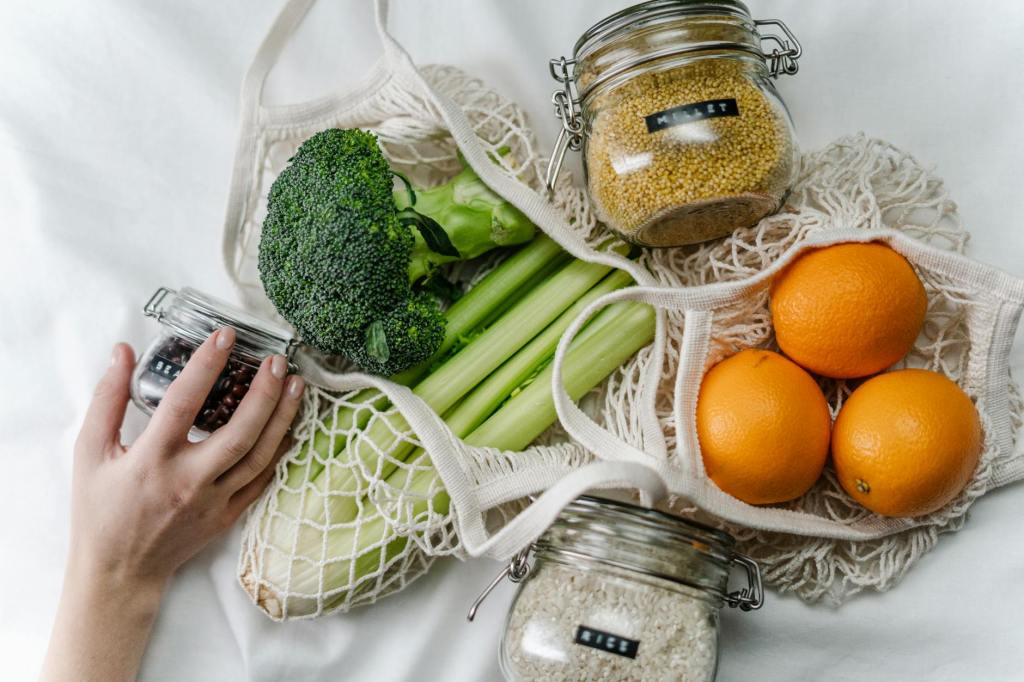
Have you ever stood in the grocery aisle, overwhelmed and unsure of what you even need?
After losing a spouse, even basic tasks like grocery shopping can feel impossible. “Grief groceries” refers to the idea of stocking your kitchen with simple, nourishing items that sustain you physically and emotionally during times when cooking or eating feels like a monumental effort.
For widows, grief groceries are more than just food—they’re a way to care for yourself when you feel too overwhelmed to think about it. Let’s explore how to stock your kitchen with essentials that make life a little easier during grief.
1. What Are Grief Groceries?
Grief groceries are the staples that help you get through the challenging days when:
- You’re too tired to cook a full meal.
- Your appetite is inconsistent.
- You need comfort and nourishment, but convenience is key.
They’re not about perfection—they’re about meeting your basic needs with foods that are easy, satisfying, and comforting.
2. Why Grief Groceries Matter for Widows
When you’re grieving, your energy is limited, and meal preparation can feel daunting. Stocking up on grief groceries can:
- Reduce decision fatigue: Having easy-to-prepare items on hand saves mental energy.
- Support your health: Even small amounts of nourishing food can help you stay physically strong.
- Bring comfort: Familiar, comforting foods can provide emotional solace.
Caring for your physical needs through food is an act of self-love during a time when everything else feels uncertain.
3. Building Your Grief Grocery List
When stocking up on grief groceries, focus on foods that are:
- Easy to Prepare:
- Pre-washed fruits and vegetables (e.g., baby carrots, apple slices).
- Rotisserie chicken or pre-cooked proteins.
- Microwaveable rice, frozen meals, or soups.
- Comforting:
- Your favorite childhood snacks or nostalgic comfort foods.
- Herbal teas, hot chocolate, or coffee.
- Soft, easy-to-eat foods like oatmeal, yogurt, or mashed potatoes.
- Nutritious:
- Ready-to-eat salads with simple dressings.
- Protein shakes or bars for quick energy.
- Nuts, seeds, or trail mix for healthy snacking.
- Indulgent When Needed:
- A favorite treat, like chocolate or ice cream, to lift your spirits.
4. Navigating Grief-Driven Eating Patterns
Grief can bring appetite changes—some days you may feel ravenous, while others you can’t stomach a bite. Here’s how to navigate:
- Small Portions: Eat little and often to avoid overwhelming yourself.
- Meal Replacement Options: Keep smoothies or shakes on hand for when full meals feel too hard.
- Hydration is Key: Drink plenty of water, herbal tea, or electrolyte drinks to stay hydrated.
Remember, it’s okay if your eating habits aren’t perfect. Grief is about survival, not strict rules.
5. Practical Tips for Widows
To make grief groceries work for you, consider:
- Delivery Services: Use grocery delivery apps to save yourself the trip.
- Meal Kits: Subscribe to a meal kit service with simple recipes.
- Batch Cooking: Cook larger portions on good days to freeze for harder ones.
- Ask for Help: Let friends or family pick up groceries or drop off meals.
The goal is to remove as much stress from eating and shopping as possible.
Final Thoughts
Grief groceries are more than just food—they’re a way to take care of yourself when life feels overwhelming. By stocking your kitchen with simple, comforting, and nourishing items, you create a safety net that supports your physical and emotional well-being as you navigate widowhood.
Be gentle with yourself. Each meal, no matter how small or simple, is a step toward healing. You deserve care, nourishment, and moments of comfort, even in the hardest times.
With compassion and hope,
Julie


 Navigating Widowhood
Leave a reply to Nancy Ziolecki Cancel reply